Breaking Silos: How FlowInquiry Transforms Cross-Team Communication into Seamless Collaboration

A Story of Silos: Team A’s Missed Deadline
Team A had a critical task that required support from Team B to meet a customer deadline. Recognizing the dependency, Team A escalated the need to their manager, specifying that Team B’s input was essential within 10 days. Manager A quickly reached out to Team B’s manager, who assured that support would be provided on time.
Five days passed, and Team A reminded their manager about Team B’s promise. However, no immediate action followed. By the 9th day, Team B finally assigned a member to the task. Unfortunately, the assigned team member was unaware of the earlier agreement and had to start from scratch. It took them four days of effort to fulfill the request.
When the deliverable arrived, Team A realized it didn’t meet the expected requirements. With no time left for corrections, Team A missed the customer deadline. The root cause? A misalignment in priorities, lack of transparency, and siloed communication between Team A and Team B.
How FlowInquiry Could Have Prevented the Missed Deadline
If Team A and Team B were using FlowInquiry, the situation could have unfolded differently. Here’s how:
Transparent Communication:
FlowInquiry’s platform would have allowed Team A to directly log their request for Team B’s support, specifying the required deadline and detailed requirements. This request would be visible to both teams and their managers in real-time.
Accountability Tracking:
The system would track Team B’s commitment, ensuring that deadlines and responsibilities were clearly assigned and visible. Automatic reminders and alerts would notify Team B of their pending task as the deadline approached.
Cross-Team Collaboration:
FlowInquiry’s activity tracking and collaborative tools would ensure that Team B’s assigned member was immediately informed about the request, requirements, and urgency. This would eliminate the delay caused by lack of context.
Priority Alignment:
With FlowInquiry, shared priorities across teams could be aligned, and conflicts in workload could be resolved early. Managers from both teams would have a clear view of dependencies and could adjust their plans to meet deadlines.
Feedback and Iteration:
Team A could have reviewed the deliverable from Team B immediately upon submission, providing feedback for corrections before the final deadline.
By breaking silos and fostering seamless collaboration, FlowInquiry ensures that no task falls through the cracks, even when multiple teams are involved. With FlowInquiry, Team A would have met their customer’s deadline, delivering quality results without the last-minute rush.
Table of Contents
Related Articles

From Frustration to Innovation: How Poor Support Led to FlowInquiry
I invested in a premium electric charger known for its quality and long-term support. But when it stopped working within a year, the customer service experience was far from what I expected. Here's the story of how mismanaged ticket handling highlighted the need for better solutions like FlowInquiry
FlowInquiry v1.2.2: Laying a Strong Foundation for What’s Next
FlowInquiry v1.2.2 delivers a clean database refactor for easier data migrations, expanded automated testing, and refreshed documentation—laying the foundation for upcoming project-management features and smoother future development.
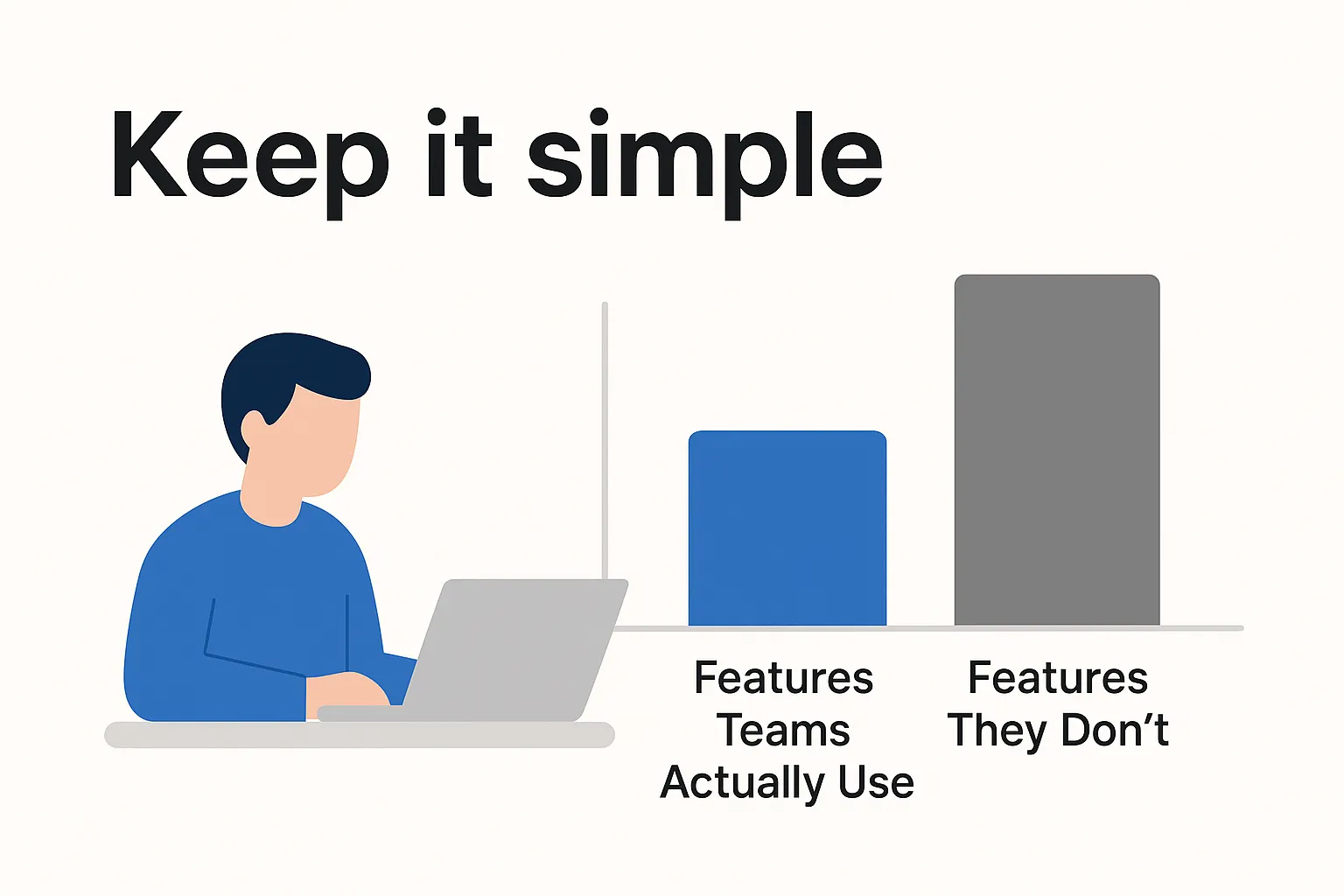
Why FlowInquiry Believes Ticket Management Shouldn’t Feel Like Heavyweight Project Management
Most SMEs and nonprofits struggle with tools like Jira or Zendesk—they're powerful, but bloated and expensive. FlowInquiry applies the 80/20 rule, giving teams the core features they actually need without the overhead.