FlowInquiry Open source business model
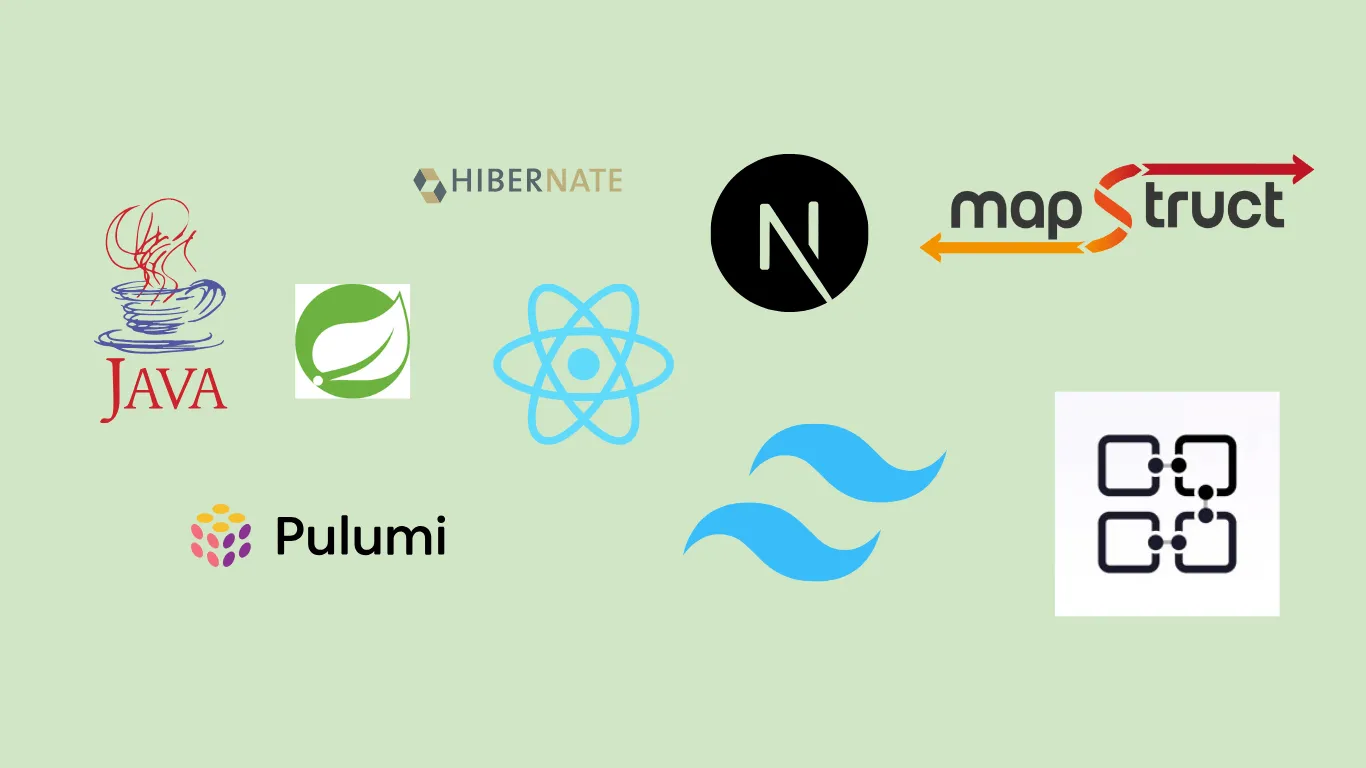
The Foundations of FlowInquiry
FlowInquiry is built on open-source tools. These include Spring Boot, Next.js, Hibernate, Liquibase, TailwindCSS, ShadCN, and others. These technologies form the core of the platform.
We made FlowInquiry open source to give back to the ecosystem and to make the software available to teams that may not have large budgets.
Why Open Source Matters to FlowInquiry
1. Sharing Work With the Community
We share FlowInquiry as open source so others can benefit from the work. This includes developers who want to contribute and teams that want to adapt the tool to their needs. Open access to the code makes collaboration easier.
2. Supporting Teams With Limited Budgets
Some teams can’t afford enterprise software. FlowInquiry gives these teams a tool that helps manage work without the cost. This includes small businesses, nonprofits, and early-stage startups.
3. Getting Early Feedback
Opening the code helps us get input from a wide group of users. This feedback improves the product in several ways:
-
Features
Users suggest practical improvements or point out what’s missing. -
Code Quality
Developers contribute changes that make the code better. -
Design
Community feedback helps guide architectural decisions.
4. Code You Can Inspect
FlowInquiry’s source code is public. Anyone can read it, check how it works, and see what it does. There are no hidden processes or unknown behaviors.
5. Building With Others
Open source allows others to take part in the development process. Teams can contribute directly or build on top of what already exists. This helps FlowInquiry grow and stay relevant.
6. Earning Trust Through Transparency
Open source makes it clear how FlowInquiry works. Teams that depend on the platform can review the code and understand what they’re running. This builds confidence and trust.
7. Supporting Custom Use Cases
Some teams have specific needs. Because FlowInquiry is open source, they can change or extend it. This helps the platform serve a wide range of use cases.
Balancing Open Source and Business Needs
FlowInquiry is free to use under an open-source license. A paid edition is available for teams that need additional features, support, or custom deployment. This approach helps sustain development and serves both community and enterprise users
Get Started
You can run FlowInquiry, explore the code, or contribute to its development. Here are the main resources:
-
GitHub
View the source code, report issues, or submit changes:
https://github.com/flowinquiry -
Documentation
Learn how to install, use, or extend FlowInquiry:
https://docs.flowinquiry.io -
Deployment
Set up FlowInquiry locally, in the cloud, or on Kubernetes:
Deployment Guide
We welcome feedback and contributions from the community.
Table of Contents
Related Articles
Top Open-Source Project Management Tools in 2025 (Including FlowInquiry Community Edition)
By 2025, teams of all sizes are turning to open-source platforms that offer transparency, customization, and self-hosting. In this post, we explore five leading tools—Taiga, OpenProject, Phorge, Kanboard, and the newcomer FlowInquiry Community Edition—highlighting their strengths, use cases, and why FlowInquiry’s AGPL-licensed, hybrid workflow engine is quickly gaining traction.
FlowInquiry v1.2.2: Laying a Strong Foundation for What’s Next
FlowInquiry v1.2.2 delivers a clean database refactor for easier data migrations, expanded automated testing, and refreshed documentation—laying the foundation for upcoming project-management features and smoother future development.

Breaking Silos: How FlowInquiry Transforms Cross-Team Communication into Seamless Collaboration
Cross-team communication doesn’t have to be a hurdle. Discover how FlowInquiry eliminates silos and transforms the way teams collaborate, driving efficiency and transparency across your organization.