Why Open-Source Tools Are Vital for Small and Mid-Sized Businesses

📝 Why Open-Source Tools Are Vital for Small and Mid-Sized Businesses
When you run a small or mid-sized business, every dollar and every hour counts. Many teams still rely on a mix of spreadsheets, emails, and expensive subscriptions to manage their projects, tickets, and internal requests. These tools often do too much—or too little—and the cost adds up quickly.
Open-source software offers a different path: freedom, transparency, and community-driven innovation. For small and mid-sized companies, this can be the difference between struggling with complexity and thriving through simplicity.
💡 1. Freedom from Lock-In
Commercial SaaS tools often grow faster than the teams that use them. Over time, they introduce new pricing tiers, data limits, and closed integrations.
With open-source solutions, businesses can host on their own servers, control data privacy, and customize features as their needs evolve.
For example, a small marketing agency can deploy a self-hosted project management system and integrate it directly with their existing CRM—no vendor approval required.
⚙️ 2. Transparency Builds Trust
In open-source software, the source code is visible. That means anyone can verify how data is stored, how APIs work, and whether security best practices are followed.
This transparency builds confidence—especially for organizations handling sensitive client information or regulated data.
Unlike black-box systems, open-source tools empower technical teams to audit, patch, and improve what they use.
👥 3. No Dedicated IT Team? No Problem
Most small and mid-sized businesses don’t have a full-time IT department. Hiring qualified developers or system administrators can be prohibitively expensive, especially when margins are tight.
Open-source tools fill that gap.
They come with active communities, detailed documentation, and plug-and-play setups that even non-technical managers can follow. Many platforms now ship with one-click Docker deployments or lightweight hosting guides that make setup possible without deep technical expertise.
Instead of outsourcing everything, businesses can start small, learn, and gradually build digital confidence.
🤝 4. Community-Driven Innovation
Open-source communities move fast. Developers and companies around the world contribute improvements, fix bugs, and share integrations.
Small businesses benefit from this collective intelligence without having to hire large engineering teams.
When a new AI model, cloud service, or analytics framework appears, open-source ecosystems often support it first.
📈 5. Cost-Effective Scalability
Instead of paying per user, businesses can scale open-source systems on their own infrastructure or affordable cloud options.
That’s why many organizations adopt hybrid setups—combining open-source cores with managed services.
The result: predictable costs, faster experimentation, and no surprise renewals.
🚀 6. Building Local Advantage
Small and mid-sized U.S. companies are the backbone of the economy. They drive innovation, create local jobs, and keep industries competitive.
When these companies use open-source solutions, they retain ownership of their tools and invest in internal capability, not vendor dependency.
This independence strengthens communities and encourages technical literacy across teams.
🌿 7. The Future Is Collaborative
Modern open-source platforms like FlowInquiry and Askimo are designed with this philosophy in mind—simple, secure, and ready to adapt to different team sizes.
By aligning technology with real-world workflows, these tools help small businesses focus on what truly matters: delivering value to their customers.
Open-source is not just a software model—it’s a mindset of collaboration and empowerment.
✨ In Closing
For small and mid-sized businesses, open-source software is no longer a niche alternative. It’s a practical, sustainable foundation for growth.
It provides the agility of custom development, the reliability of global collaboration, and the cost control every business needs.
If the next decade of innovation belongs to those who move fast and stay adaptable, open-source will be their engine.
Table of Contents
Related Articles

The Open-Source Advantage: Why Transparency Builds Better Teams
In open source, transparency isn’t a risk — it’s a strength. By sharing ideas, code, and processes, teams move faster, collaborate deeper, and build products that truly last.
Why FlowInquiry Believes Ticket Management Shouldn’t Feel Like Heavyweight Project Management
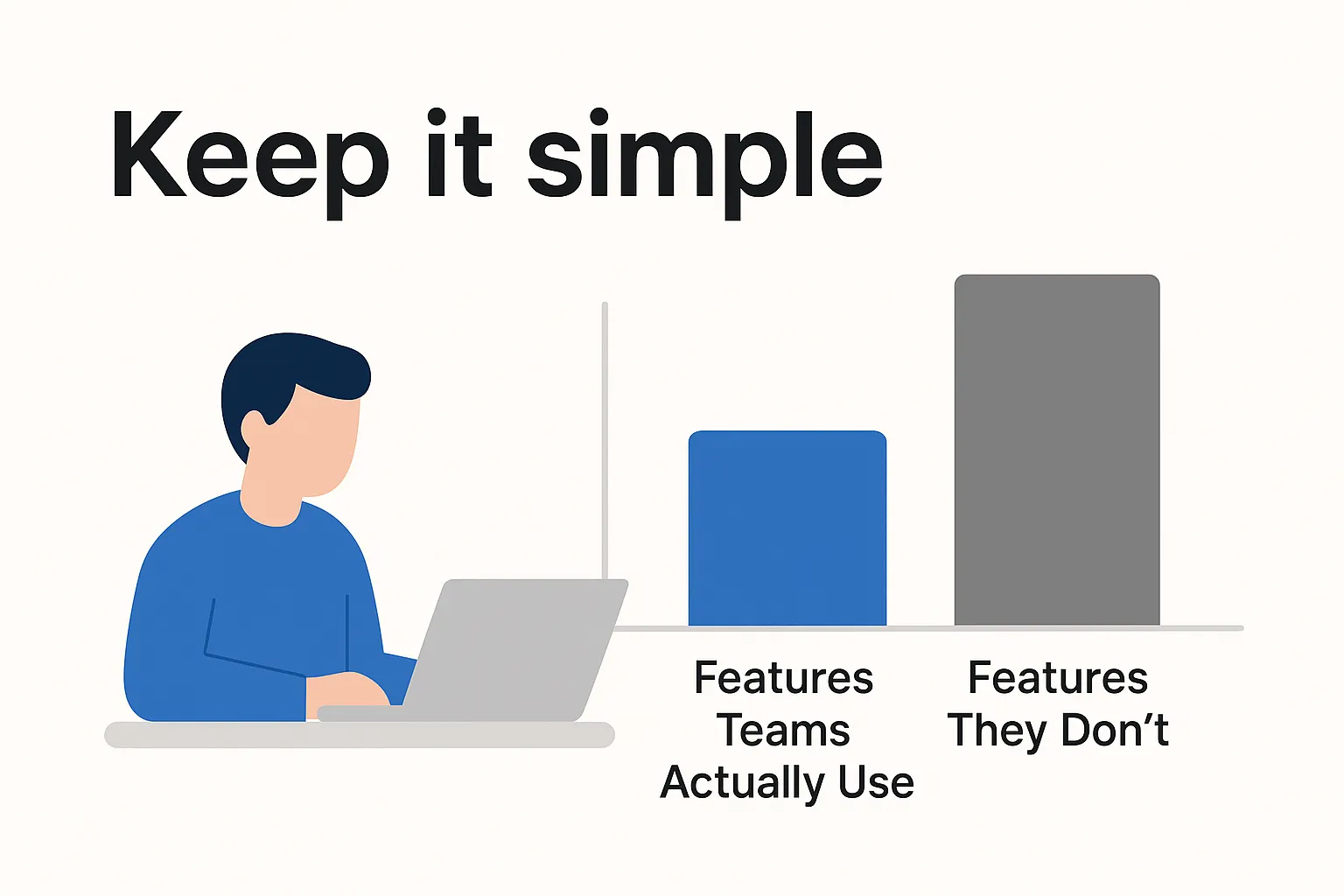
Most SMEs and nonprofits struggle with tools like Jira or Zendesk—they're powerful, but bloated and expensive. FlowInquiry applies the 80/20 rule, giving teams the core features they actually need without the overhead.